Lumino City

Making photographed objects feel playable.

Visit project
Contribution
Sole developer and technical artist — gameplay, puzzle prototypes, production pipeline and mobile port
With
State of Play
Year
2014
Built with
iOS optimisation · GPU rendering · Bink Video · Compositing · Scanning techniques
Project recognition
BAFTA Winner · Artistic Achievement · 2015 · BAFTA Nominee · British Game · BAFTA Nominee · Game Innovation
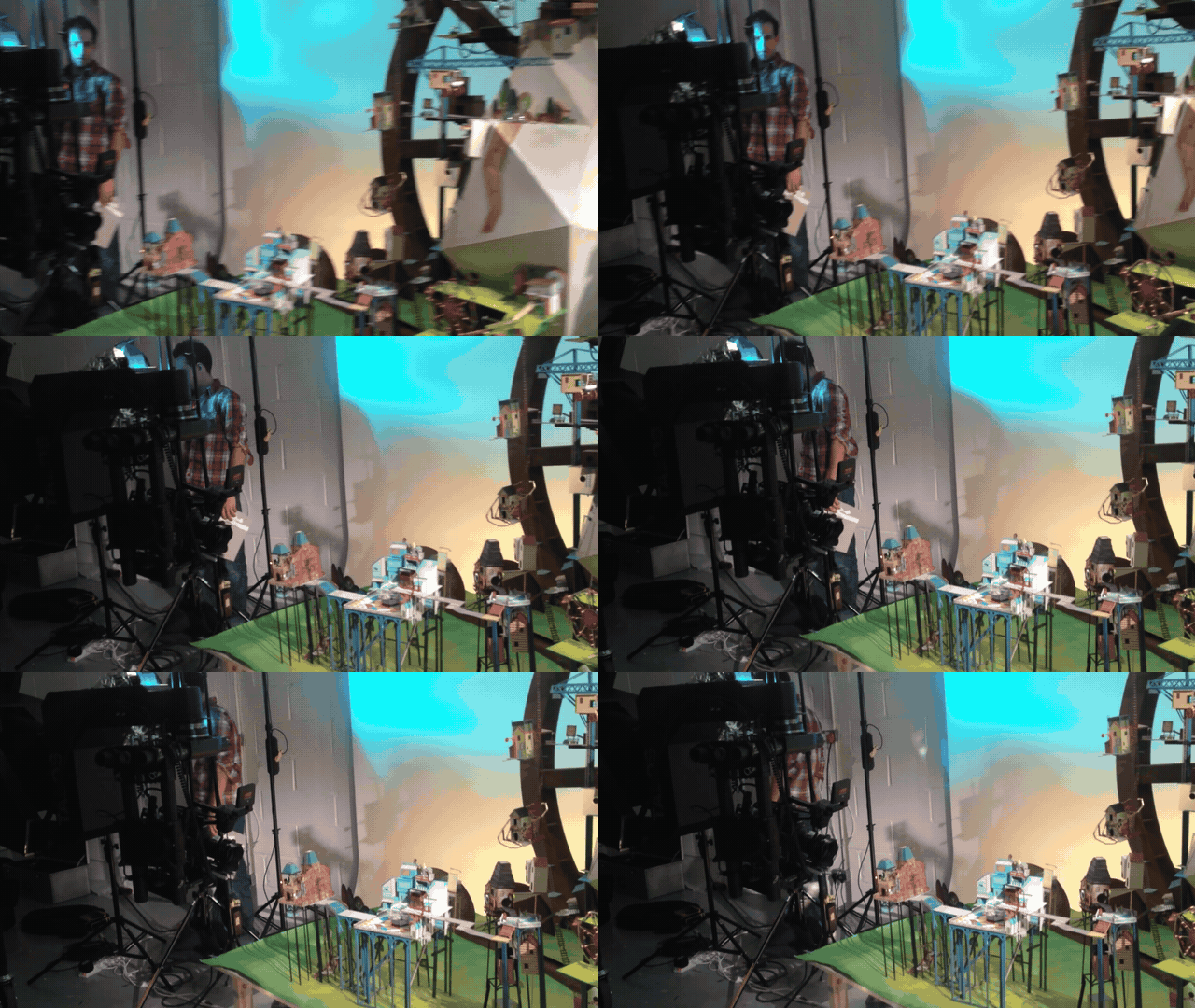
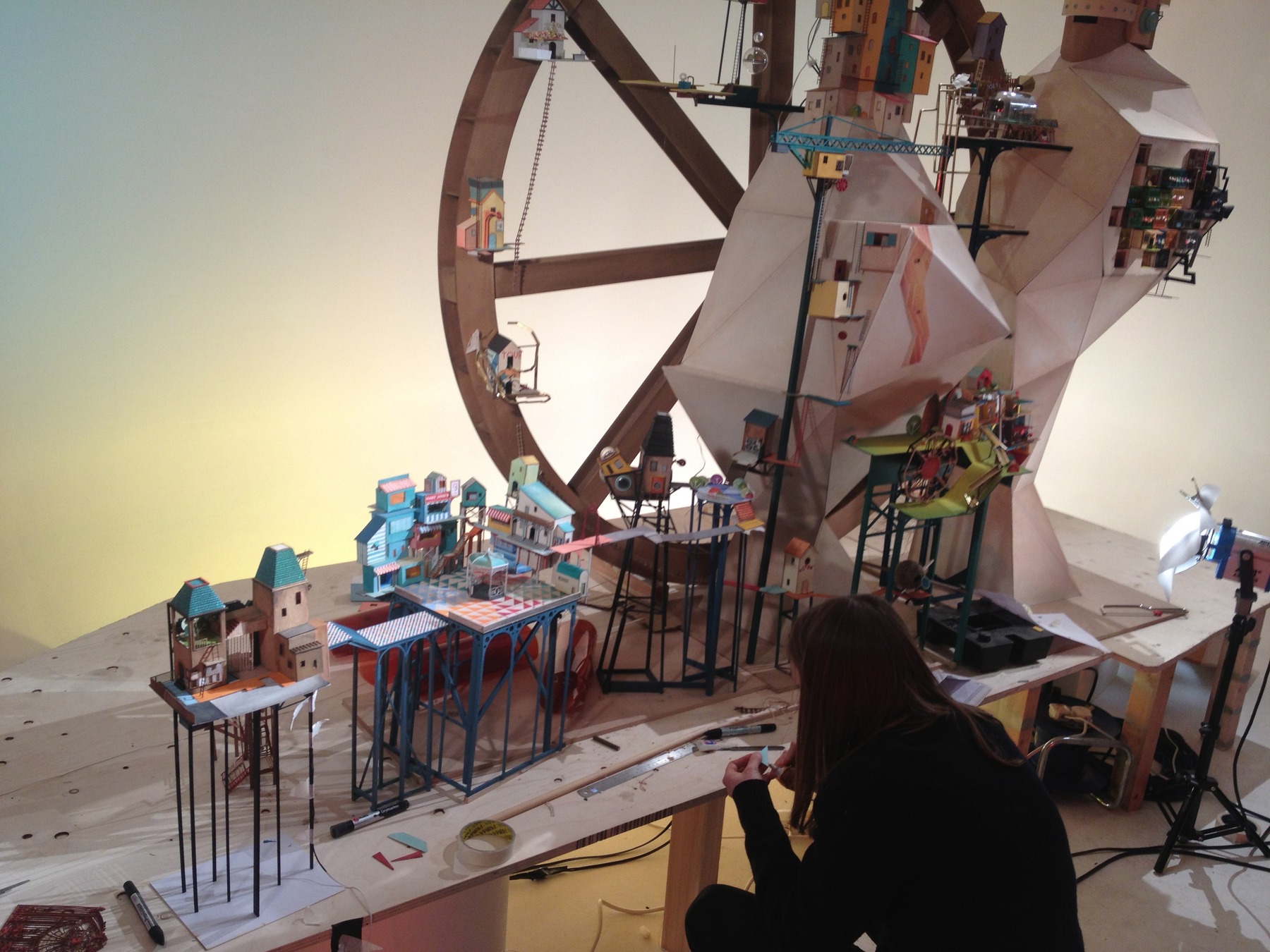
The handmade Lumino City model beside a person working at the table.
The full-scale Lumino City model.

Sole development and technical art on a handmade puzzle adventure, from artist tools and bespoke effects to its mobile port.

I was the only developer and technical artist on Lumino City, working with a small team building its world from physical models. I wrote the game and the pipeline connecting photographed sets, animation and interaction.

The challenge was to preserve the photographed world while making its puzzles respond directly to the player.

2015 BAFTA for Artistic Achievement; nominated for British Game and Game Innovation.

Before the physical build

I prototyped roughly half the puzzles before fabrication, testing movement and camera while changes were cheap. I also built scene-authoring tools so artists could assemble photographed layers within the game’s focus, blur and interaction constraints.

My technical-art work included scanning techniques and preparing captured material for use in the game, preserving the physical models’ texture and lighting.

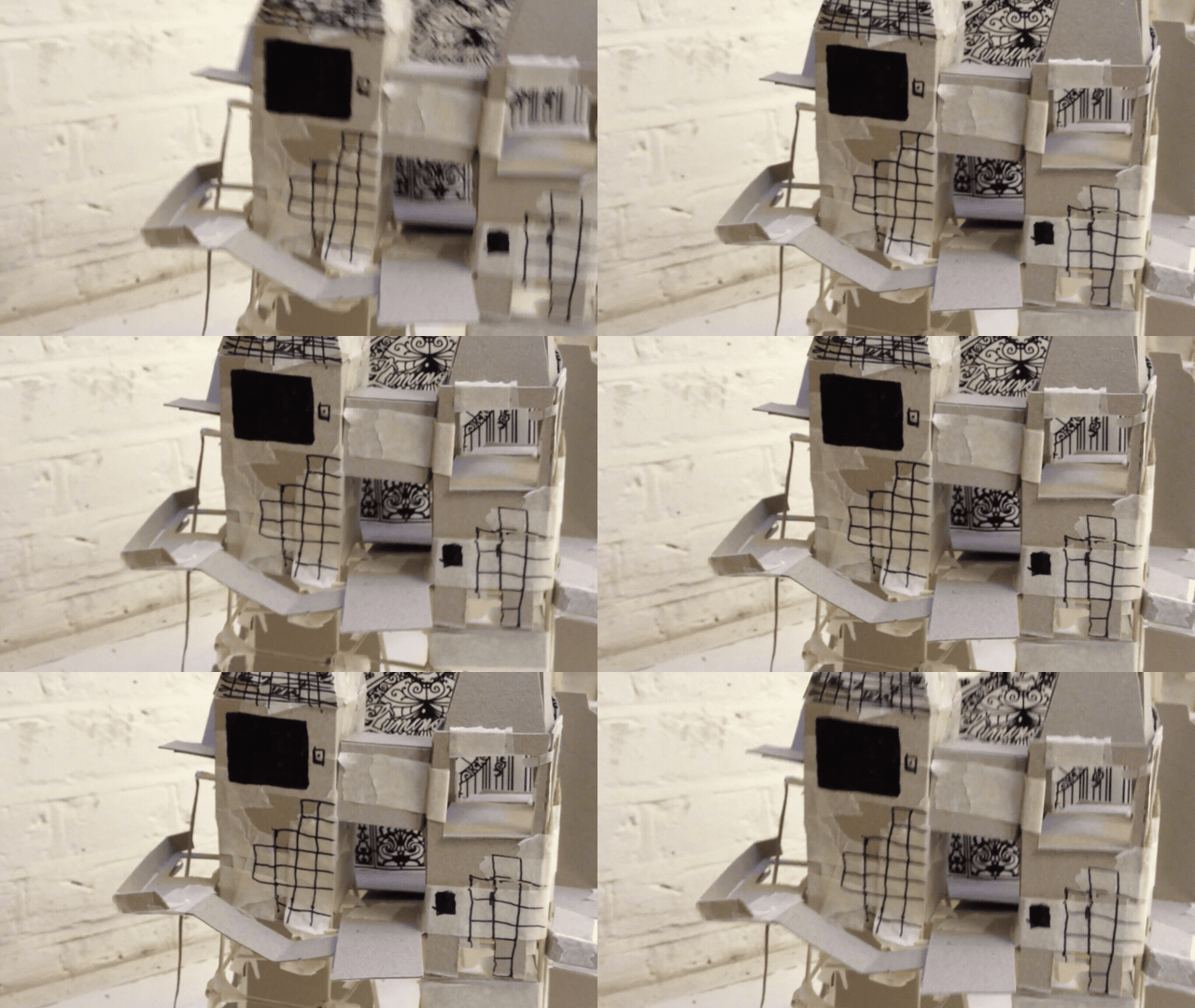
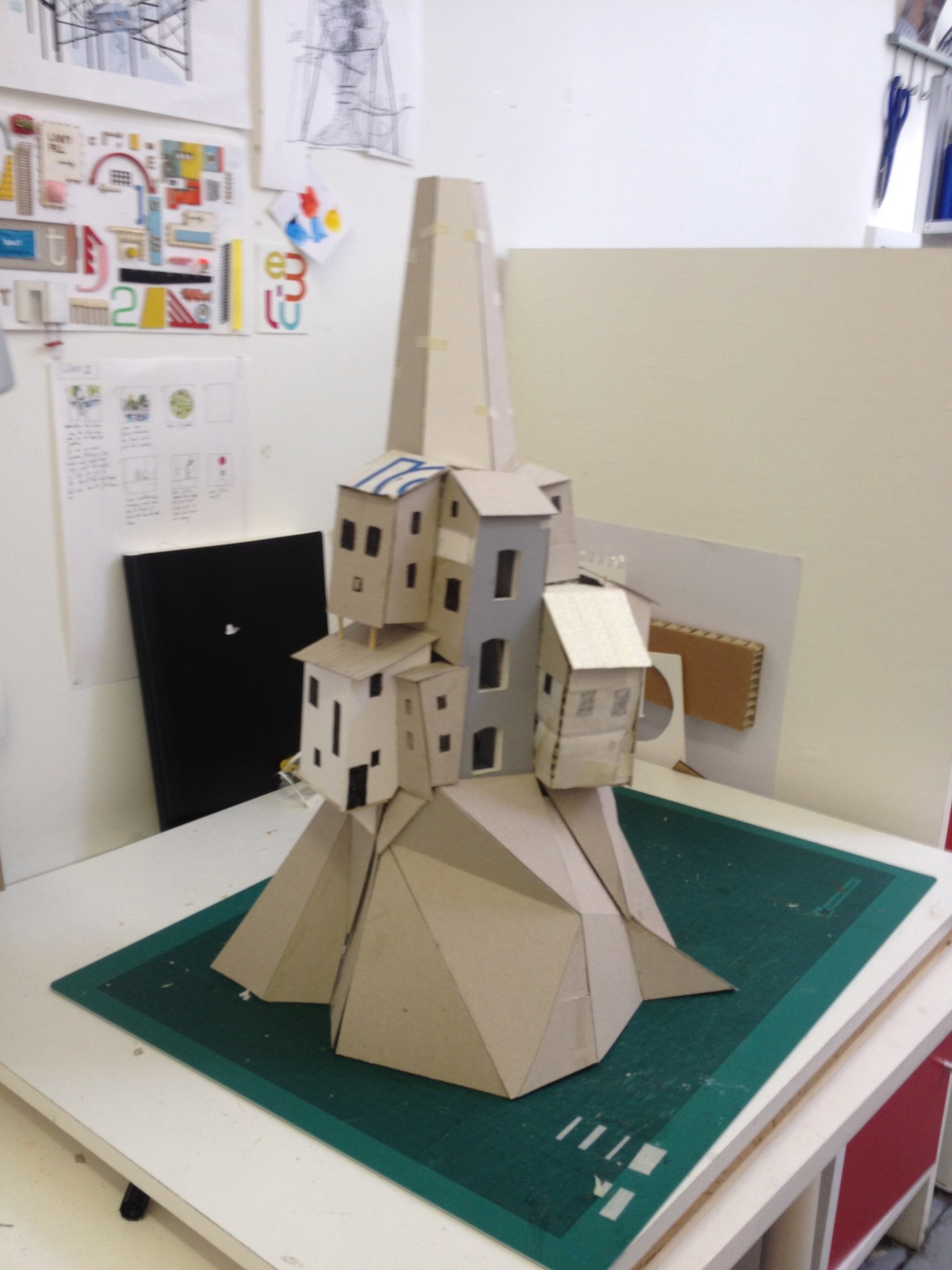
The rough paper models show another part of the process: buildings and platforms taking shape before the finished surfaces. The model making was the wider team's work; my role was in the game, technical art and the pipeline that brought the photographed sets into play.

Paper prototype Watch the full clip

A rough paper model of the Lumino City town on a cutting mat.
A rough paper town model.
A short moving view of the paper prototype's buildings and platforms.
A closer look at the paper prototype.

The physical city

The physical sets gave the game its texture, light and depth. The technology needed to preserve that craft in play.

Model walkthrough Watch the model tour

Model detail Watch the full clip

Model and filming setup Watch the full clip

A wide view moving around the physical Lumino City model and filming setup.
The model and filming setup.
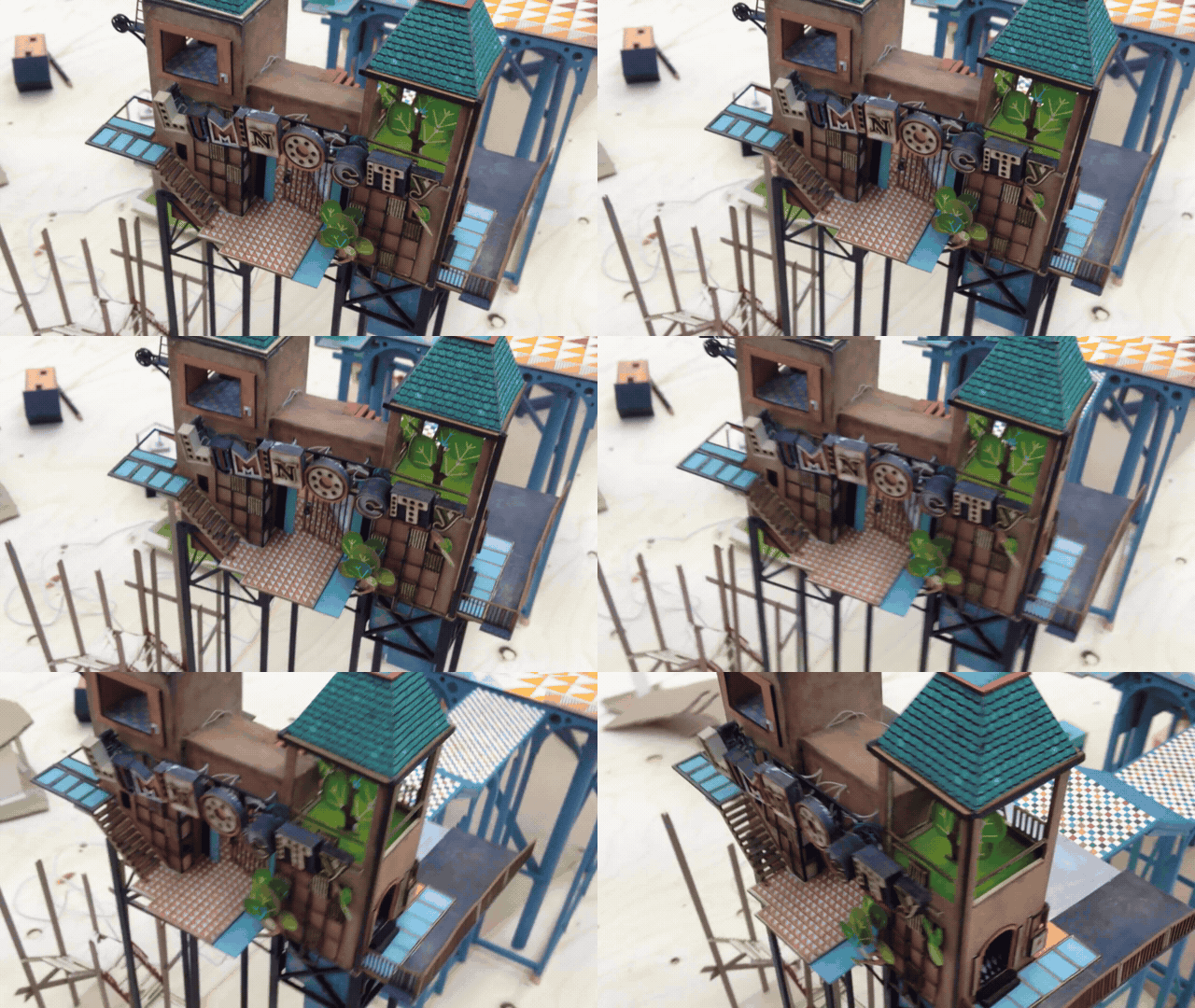
A close moving view of the handmade Lumino City buildings and walkways.
Details of the physical city.
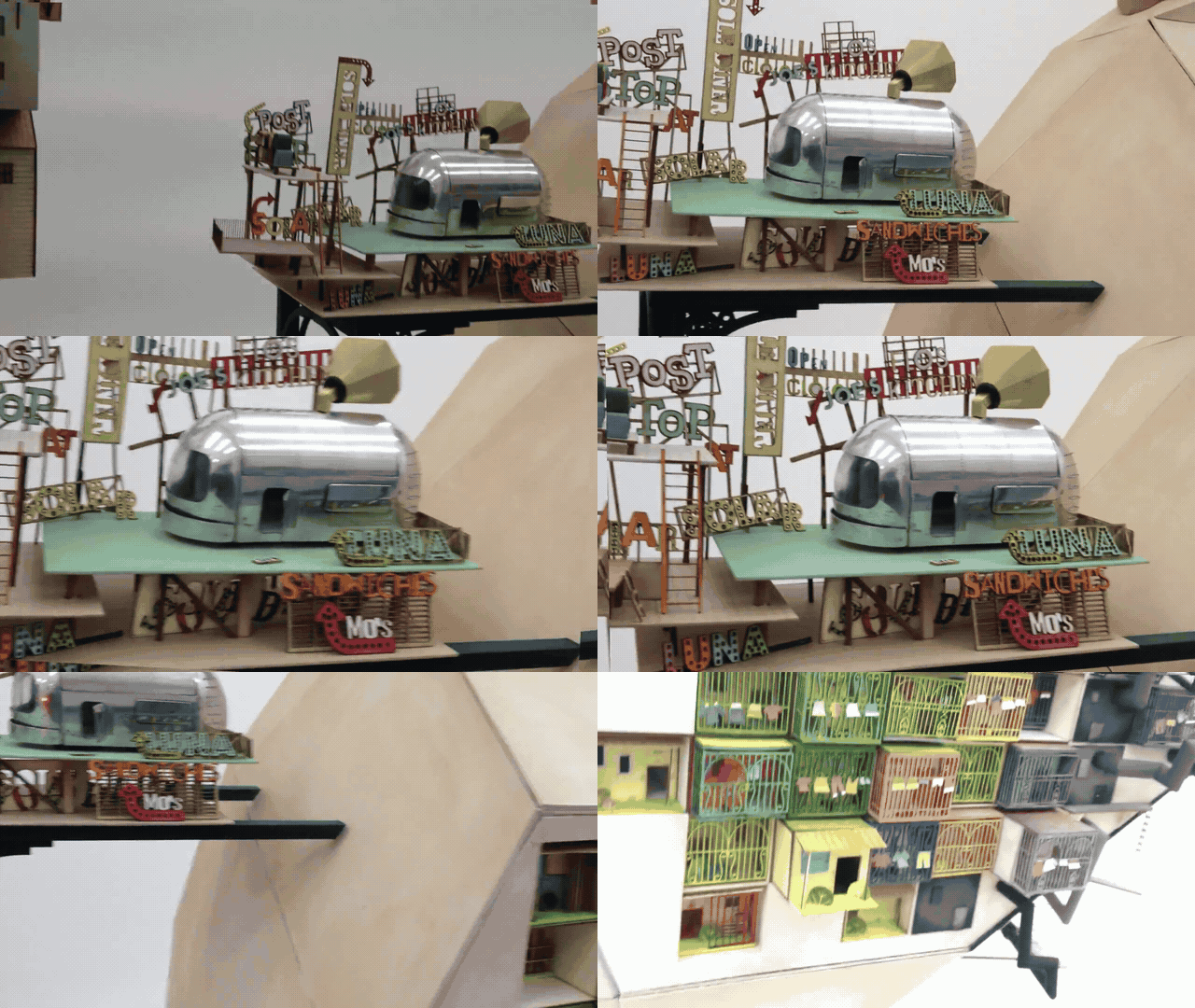
A moving close view of another section of the handmade Lumino City model.
A view across the model.

Three different visual problems

Each puzzle needed a different way to make photographed material respond to the player.

Pinball lighting

We photographed the physical pinball table under several lighting directions. I combined those states so the lighting could react to play while retaining the photographed set’s textures and shadows. The effect depends on the original model photography, rather than replacing it with a new visual style.

Tape around the reels

The tape had to wrap around wheels and catch the light while matching a photographed scene. I used simple vector maths to construct the strip for the fixed camera angle, giving it a convincing sense of depth without building a general-purpose 3D simulation.

Mixing photographed light

The colour-mixing puzzle needed its photographed lights to combine as the player adjusted them. I built a compositing treatment for this scene so the changing mixture remained part of the photographed world. Its requirements were different from both the pinball lighting and the tape geometry.
A year bringing it to mobile

I spent roughly a year bringing the game to iPhone and Android, with low-level iOS optimisation and GPU rendering work. I integrated Bink to synchronise video with gameplay and prepare likely branches in advance.

The full making-of

State of Play’s companion app, The Making of Lumino City, documents the models, photography and lighting behind the game.

Further reading Explore the companion app