 INKSFlowing ink, a painted ball and Unity tools that keep the artwork, physics and objectives in step.UnityC#ShadersView case study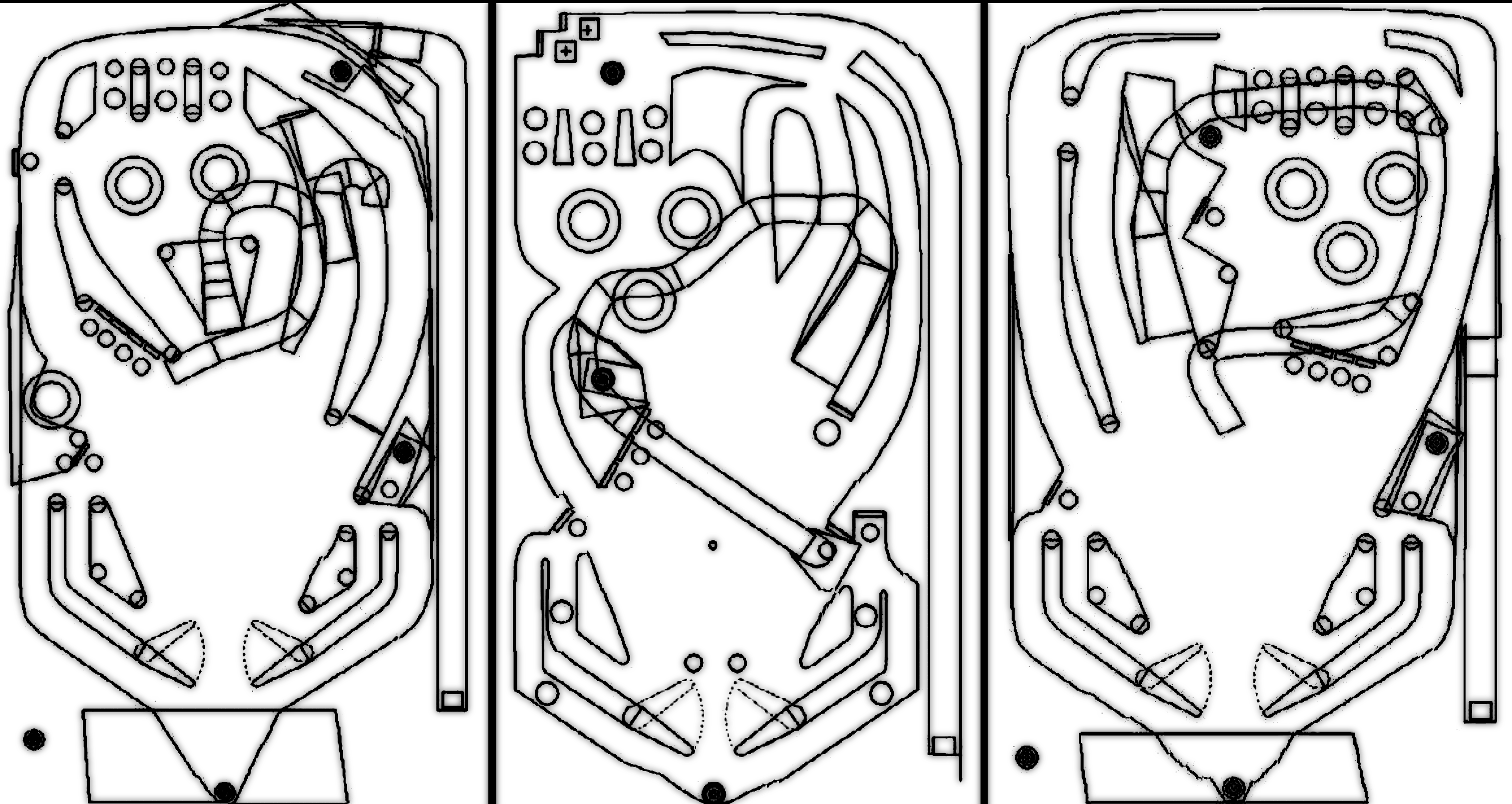
Games
The table-design journey behind INKS.
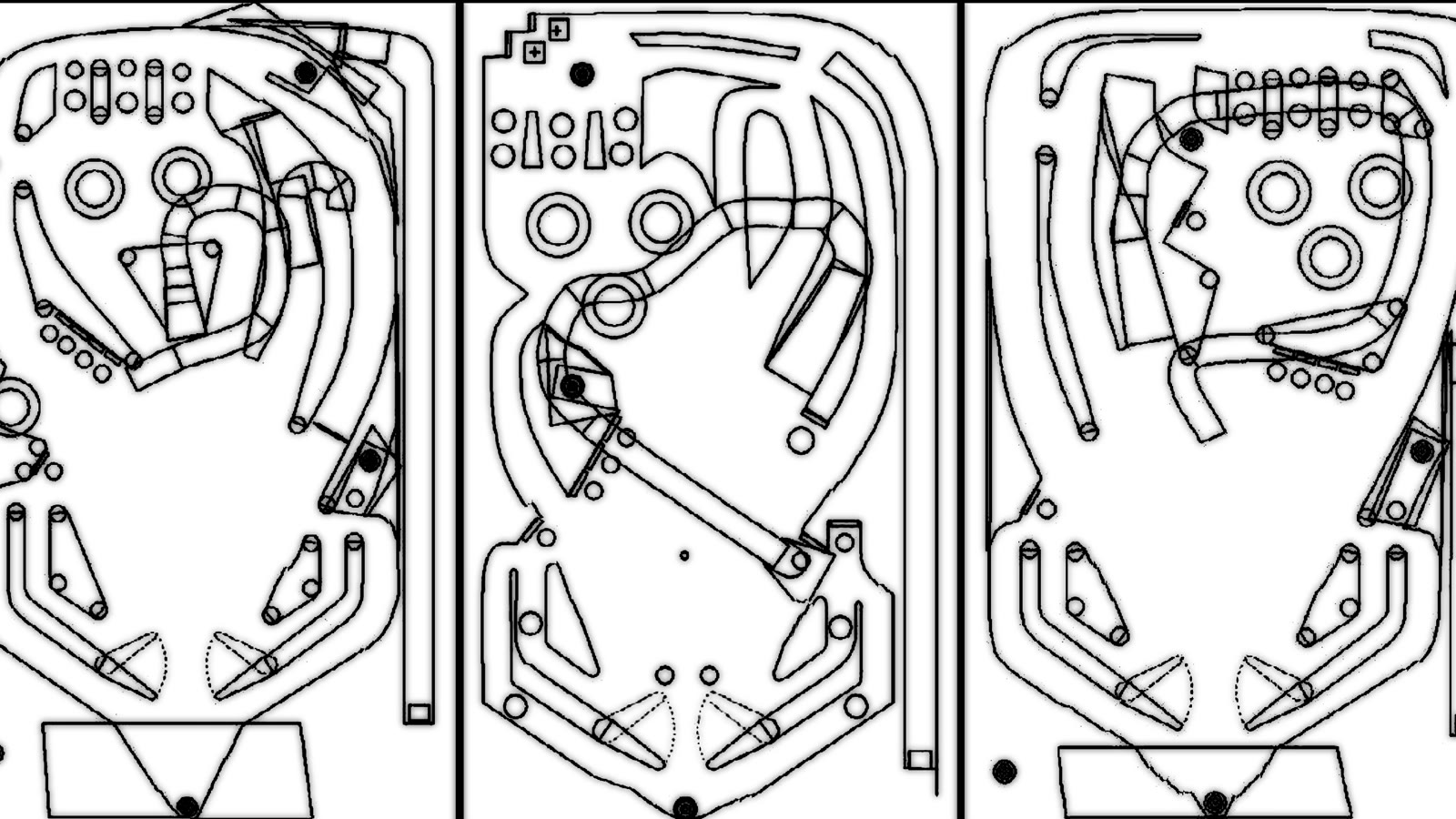
We liked the physical pleasure of pinball: a clean hit, a curve followed smoothly and a ball recovered just before it escaped. We were less keen on how much decoration and information a traditional table could ask a new player to take in.
Early INKS tables were still quite dense. I have kept the sequences of those designs, including versions from before the ink became part of the game.
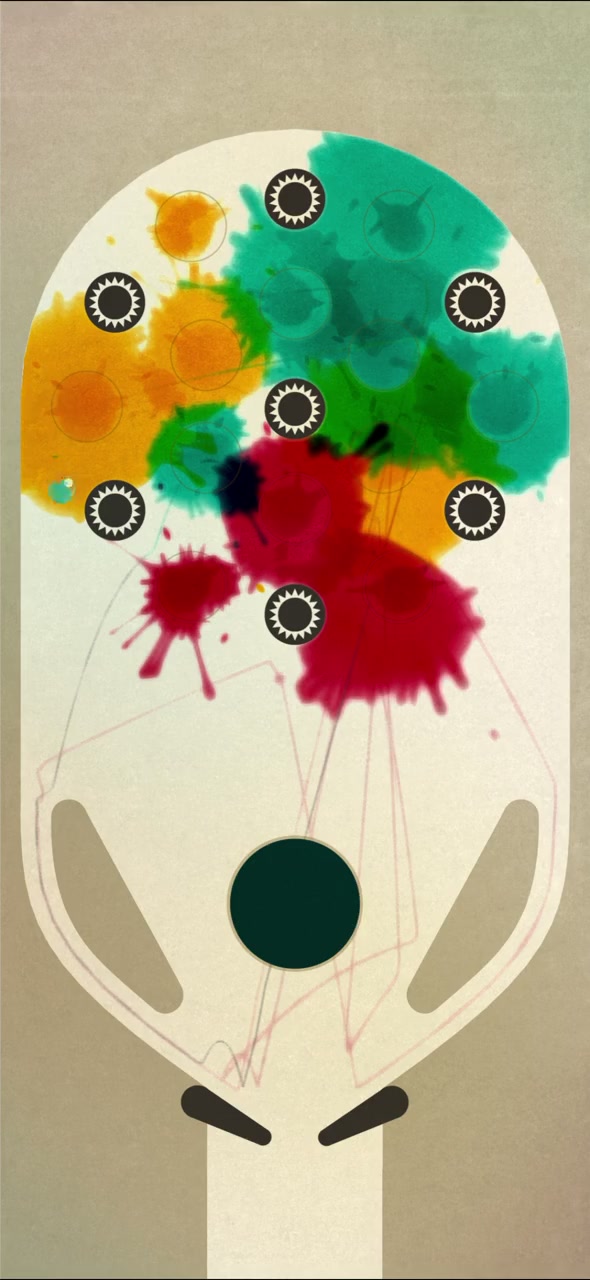
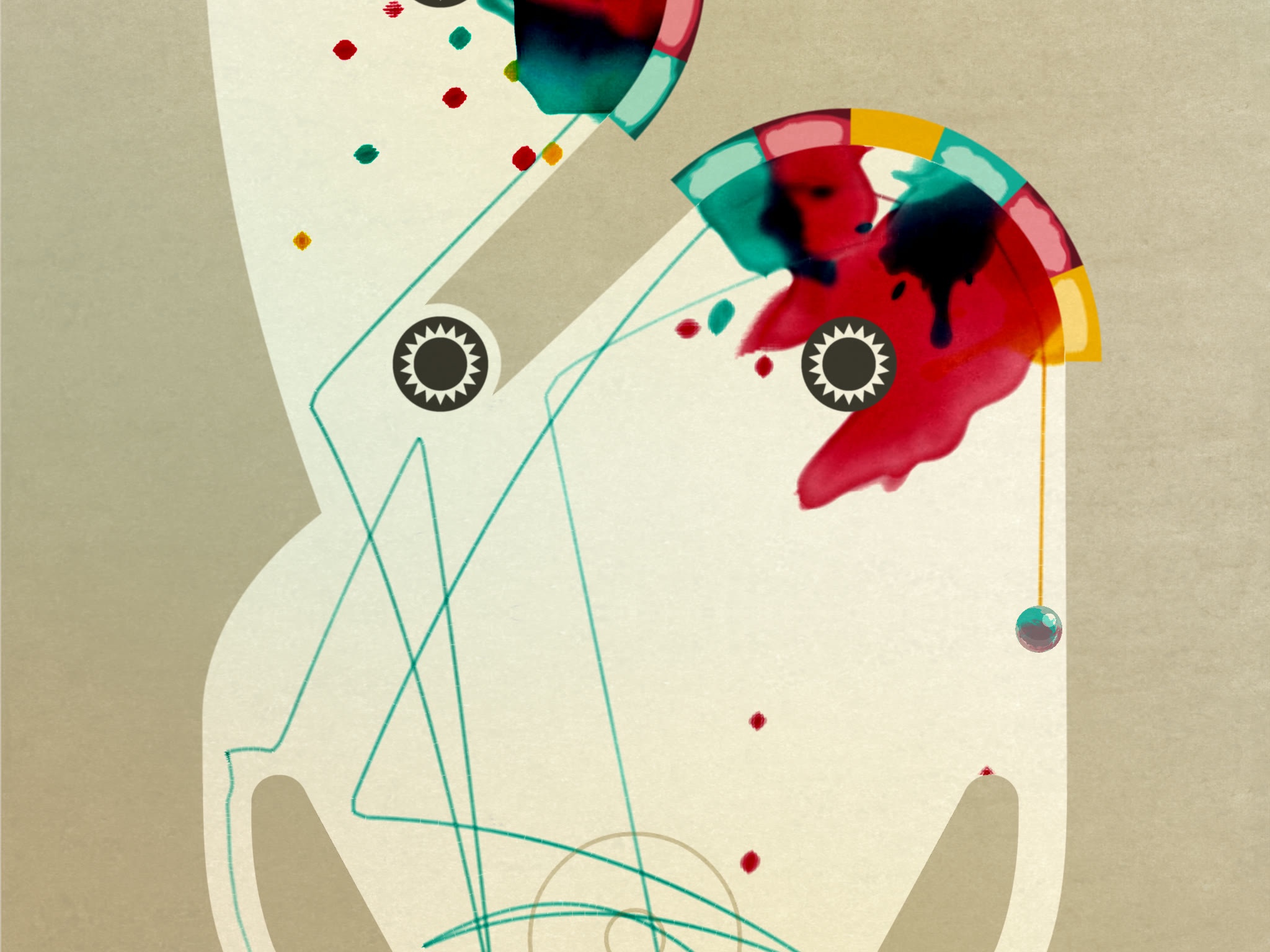
I had been experimenting with metaball splats and developed the idea of flowing ink responding to the ball. It fitted the quieter paper direction we were exploring at State of Play.
A hit could now leave something behind. The table began relatively clean and accumulated a record of the run. The ball's route became part of the image, so empty space had a job to do.
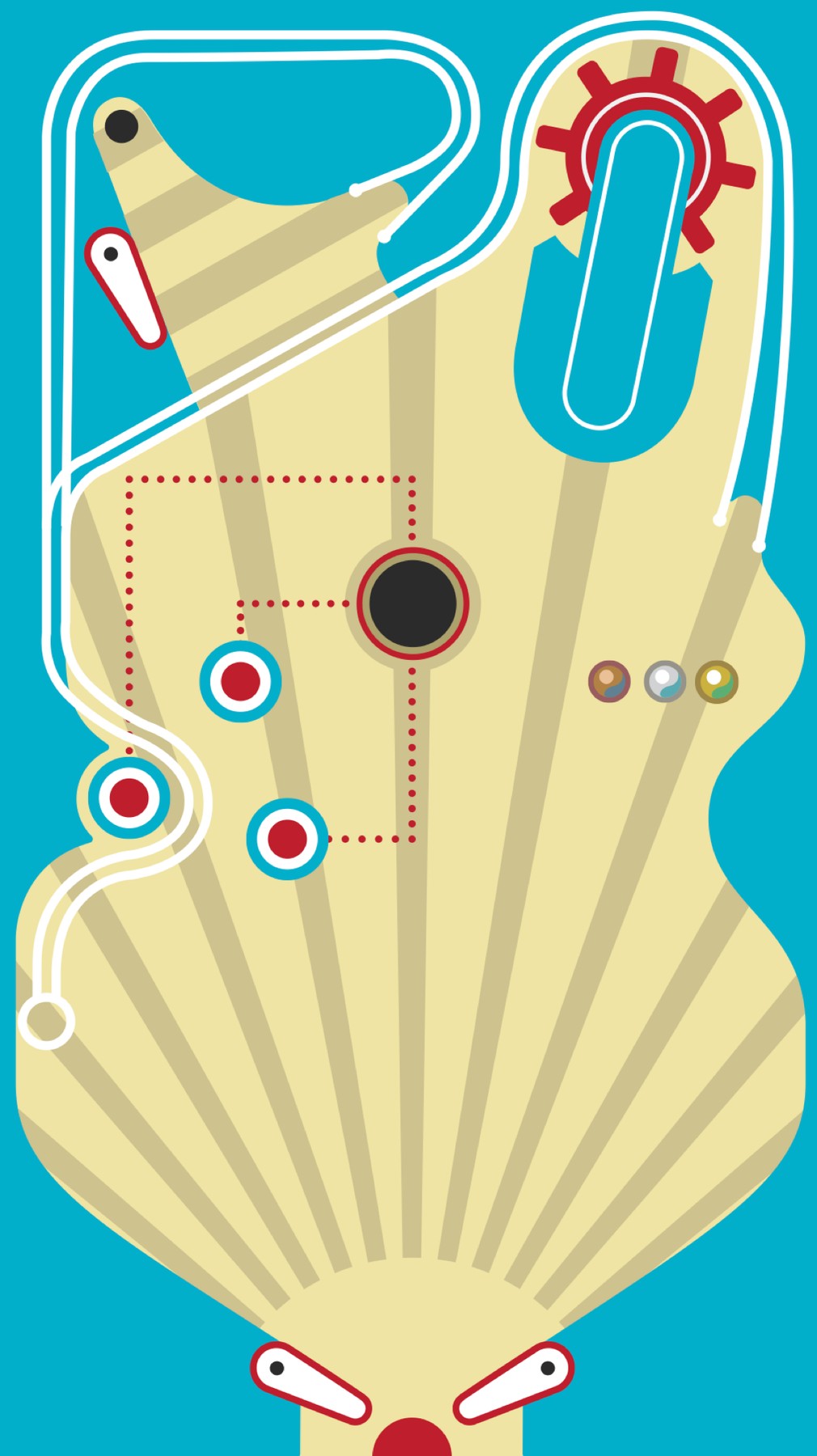
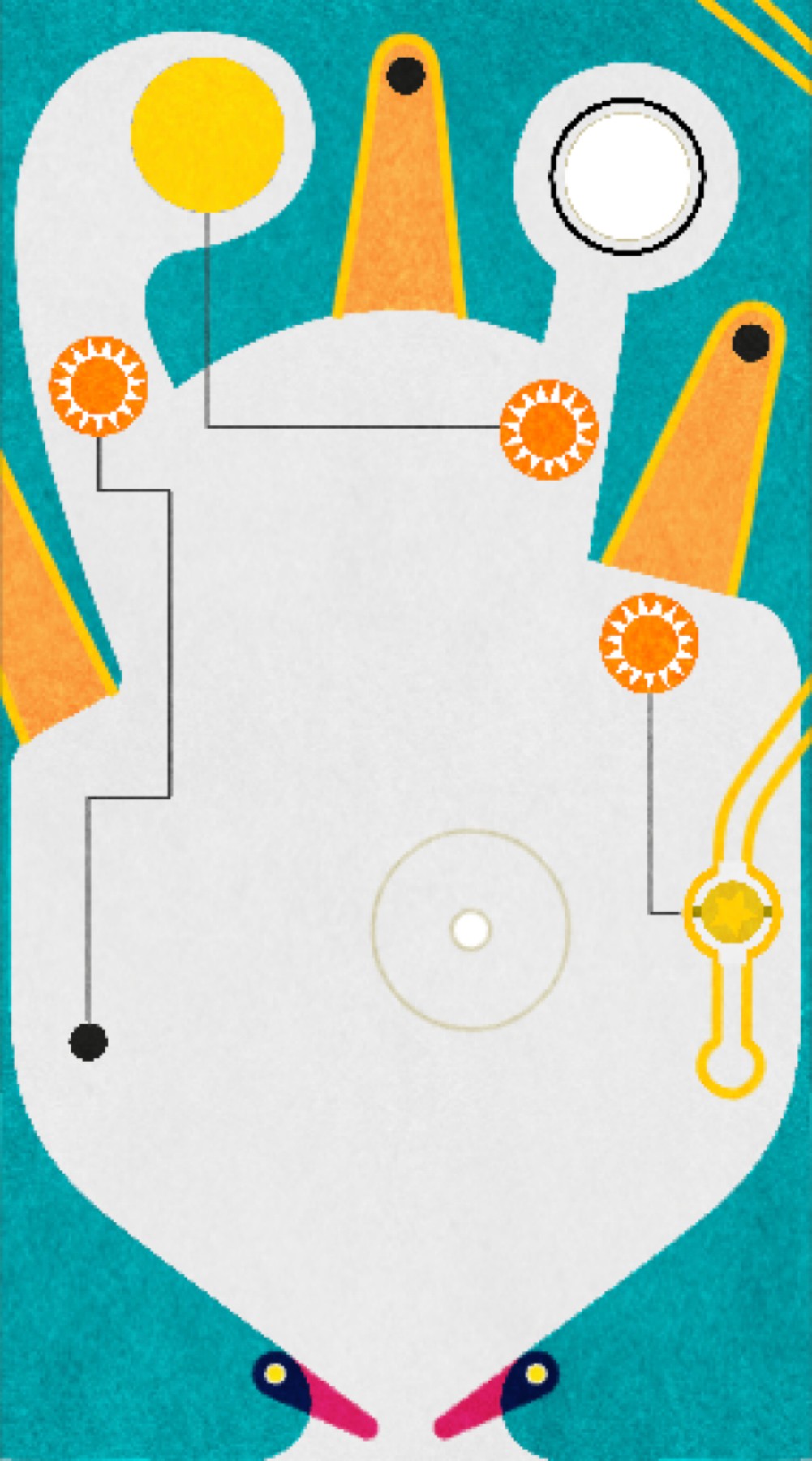
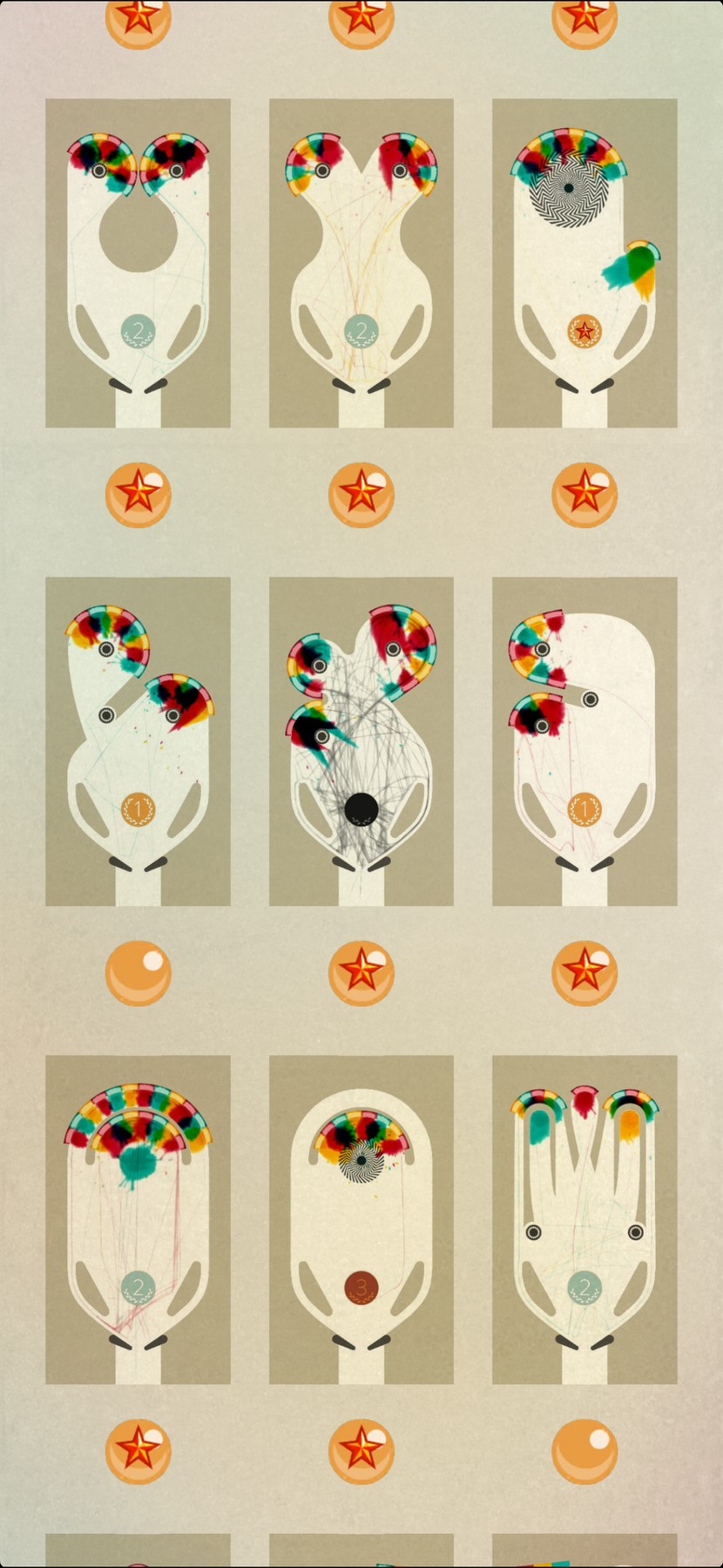
That affected how we looked at the layouts. There had to be room for the marks to read, as well as for the ball to move. The table studies show the shift from complexity in the layout towards more of the visual activity coming from play.
My Unity tools linked the drawn rails to their collision geometry and splat zones. That meant we could alter a curve without maintaining a separate physical version of it by hand.
A continuous rail could also contain several individual splat events or objectives. The physical contact and the game response did not have to use the same divisions.
Table and level design were shared work, with most levels made by someone else. My contribution was the ink direction and the systems that let that direction survive changes to the actual game.
The finished painting is a consequence of the run. It gives the player something to look back at without adding a separate summary screen full of information.
Completed tables remain visible as paintings in the level-select screen. A clean run might leave a single elegant line; after the gold, silver and bronze balls are lost, unlimited black balls leave darker trails that mix with the paint. The image keeps something of the player's struggle as well as their eventual success.
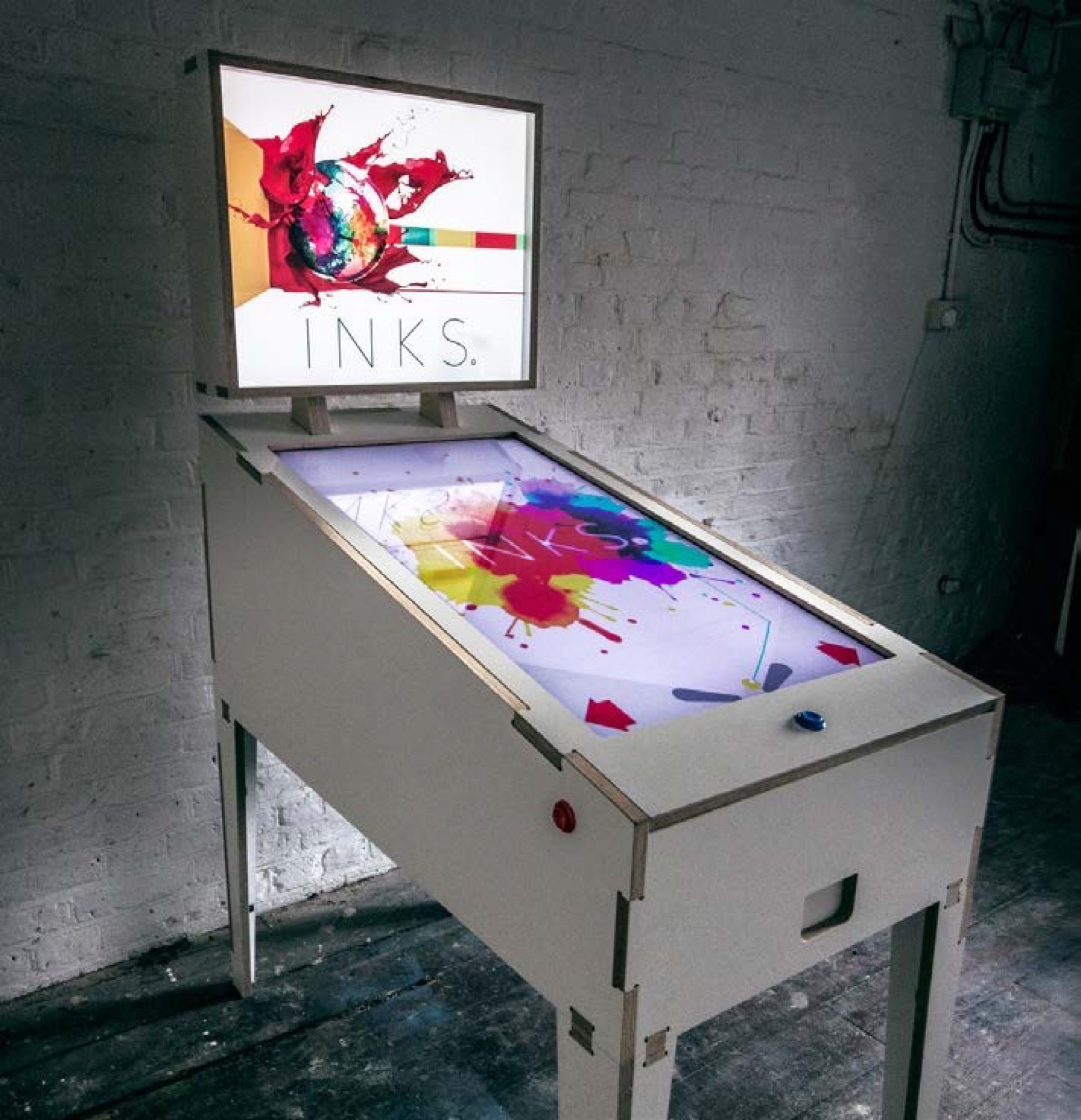
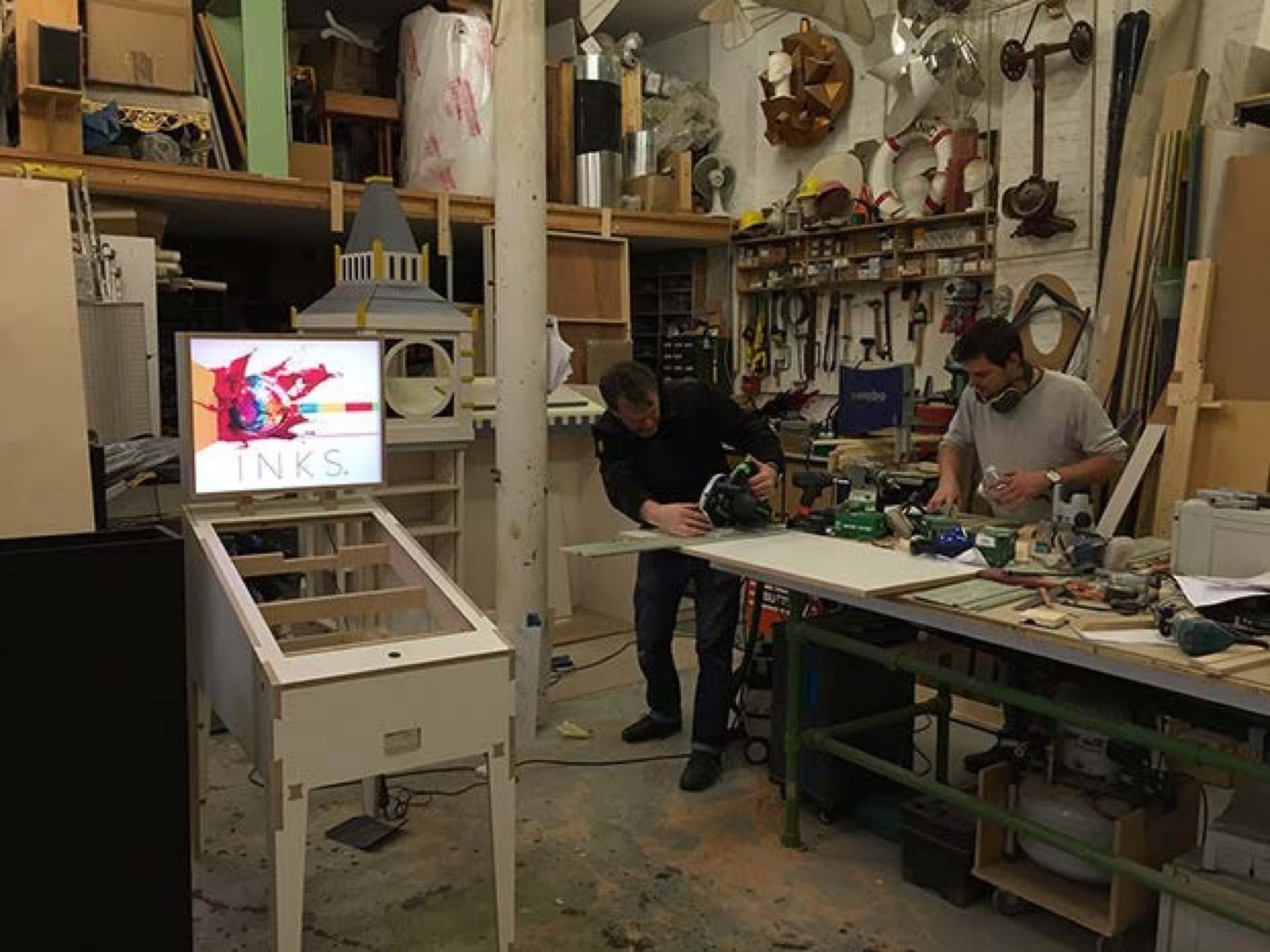
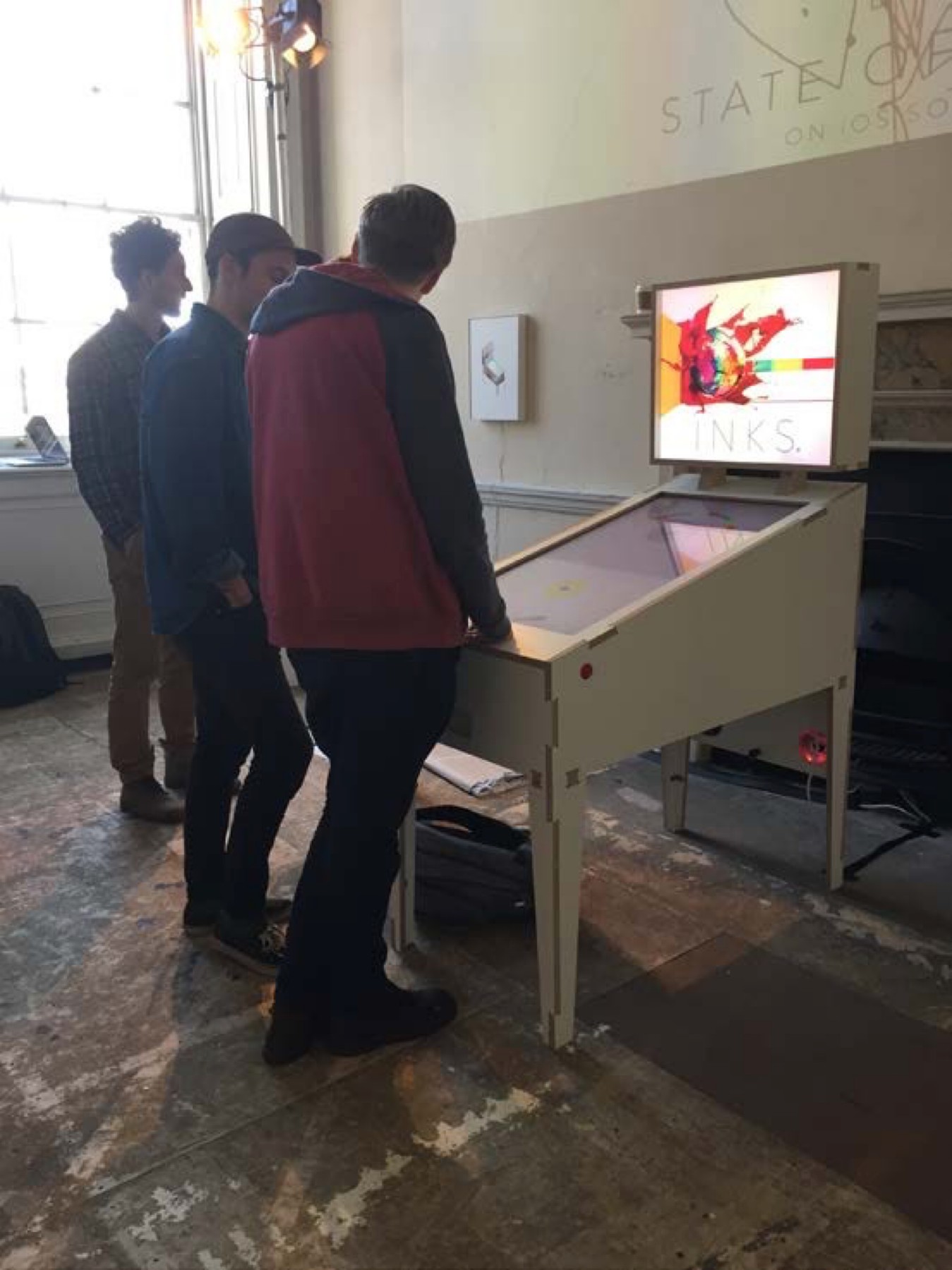
We also adapted the phone game into a physical table at pinball-table scale for expos and events. People could stand at the controls while others gathered around the digital playfield. The construction photographs and event footage below show this shared State of Play project.
Related project